One of the biggest lessons I’ve learned on my journey to financial freedom is that success comes from knowing when the playbook has changed.
That happened to me in medicine first. What worked as a resident stopped working once I became an attending. I had to adjust.
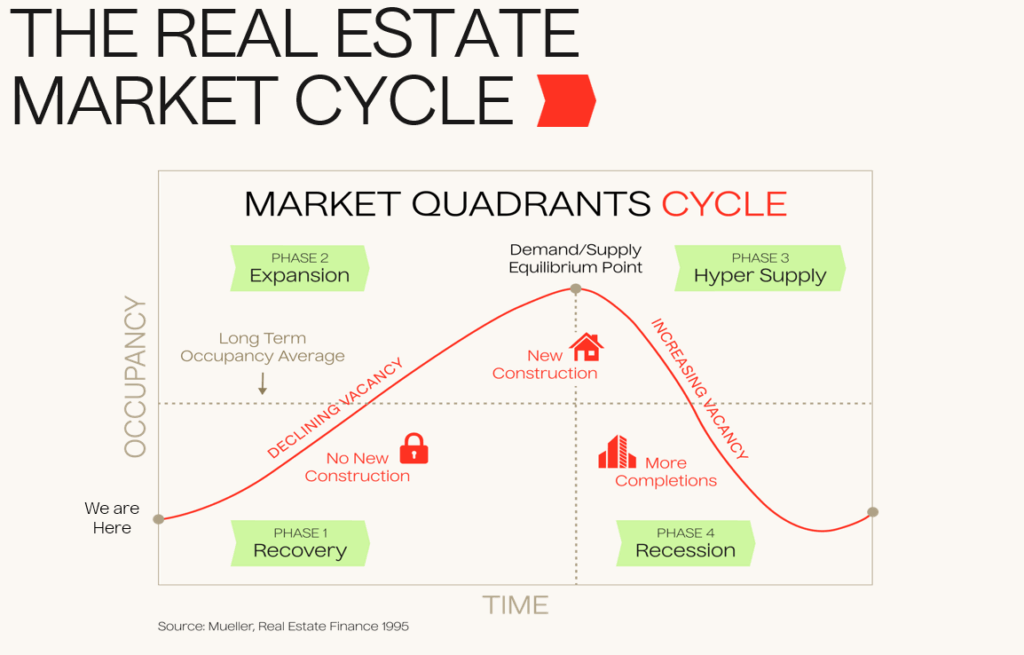
The same thing is happening in real estate right now.
For a long time, it felt easy. Rates were low. Prices kept rising. You could scroll social media and see story after story of someone “crushing it” with rentals or flips. It was tempting to think it would always stay that way.
But markets change. And this one has.
The good news is that change usually brings opportunity, if you’re willing to look for it.
Why I Still Believe in Real Estate
Real estate has been one of the most important tools for my family’s financial freedom. Not because it made us rich overnight, but because it created options.
It gave me the ability to practice medicine on my own terms. It helped us build steady, predictable income that felt very different from the long term play of the stock market.
That’s why I still invest. But like anything else, I’ve had to evolve how I think about it.
The New Reality
For years, cheap money made almost everything look good. You could buy property, hold it, and come out ahead. That’s not the case anymore.
Prices have corrected. Financing costs are higher. Construction has slowed down. On the surface that might sound like bad news, but it doesn’t have to be.
It’s pushing everyone, including professionals, to get back to basics: buy quality, manage risk, and focus on cash flow.
That’s also why I reached out to the team at Lightstone to help write this post – a real estate firm that’s been through every kind of market over nearly forty years. They’ve built a twelve billion dollar portfolio by doing exactly that. Through Lightstone Direct, they’re now giving individual investors access to the same kinds of institutional properties they invest in themselves. That level of alignment is rare and worth learning about.

- Direct access to institutional real estate with Lightstone Direct, no crowdfunding or middlemen.
- Lightstone invests its own capital in every deal, backed by 40 years and $12B invested.
- Join me and the Lightstone team on November 13th at 8 PM ET to discuss real estate investing in 2026. Save your seat.
Market Trends
One thing I’ve noticed lately is that the best opportunities are not always in the places or types of properties people talk about most.
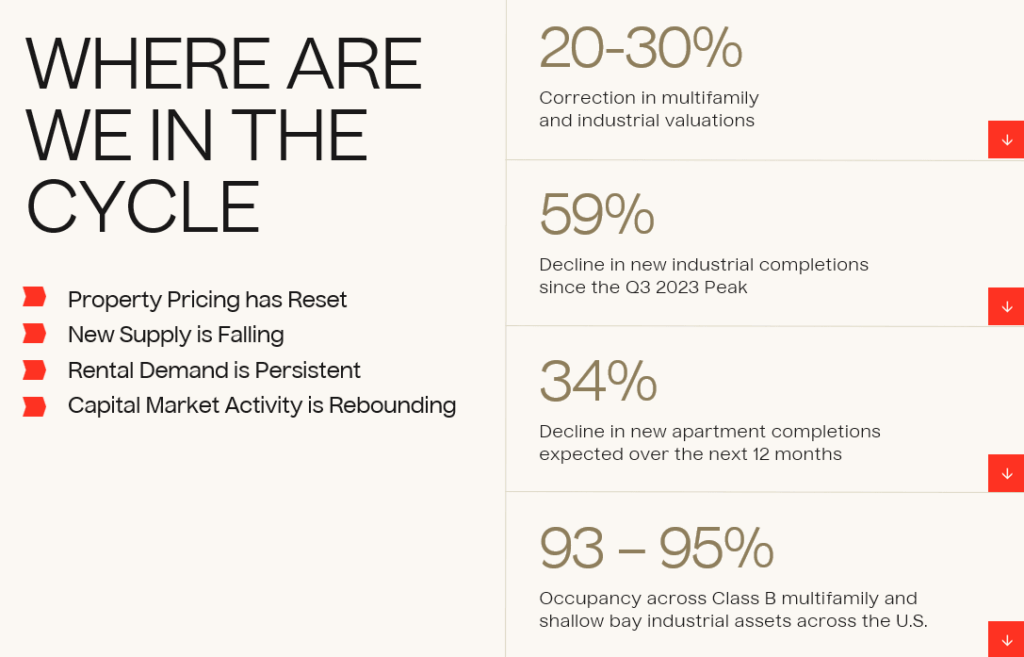
New luxury developments have slowed almost everywhere. Developers are pausing because it’s hard to make the math work. Meanwhile, demand for more practical housing and smaller industrial spaces keeps growing.
That creates a real imbalance. There’s less new supply coming, but steady demand from renters and small businesses.
It’s not the kind of thing that makes headlines, but that’s exactly how they work!
Rethinking Where the Real Opportunities Are
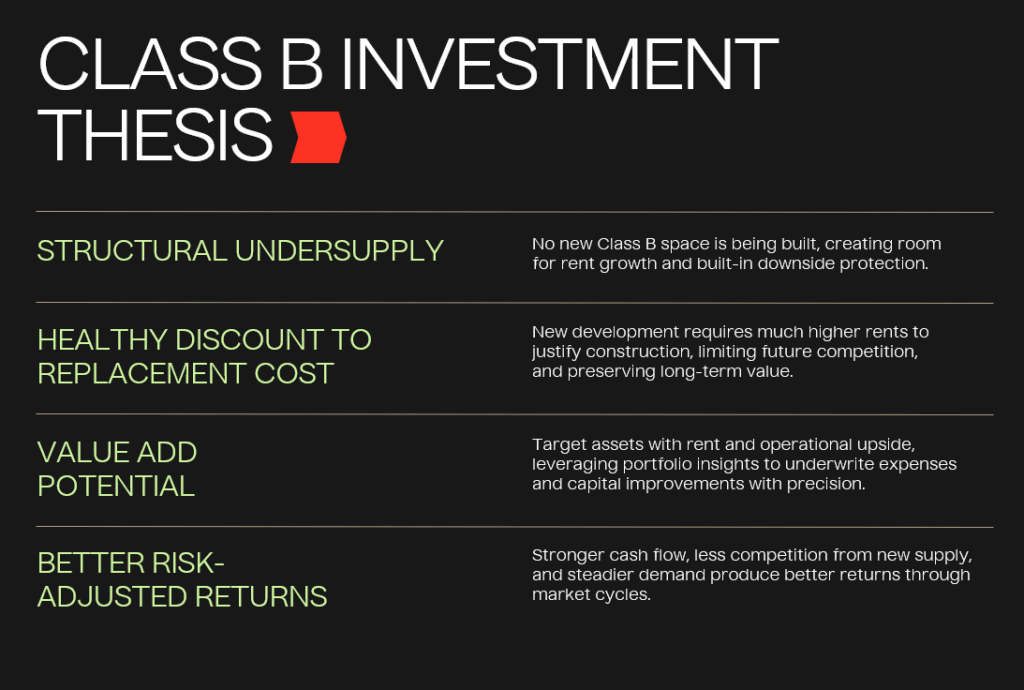
As I’ve tried to better understand where value still exists, one type of property keeps showing up. Class B properties. In plain terms, these are the solid, middle-of-the-road apartment buildings or industrial spaces that aren’t new or fancy but are in good locations and stay full. In fact, this is the class that Selenid and I have always focused on in our personal active real estate investments.
Because construction costs have climbed so high, most new development now targets the luxury end of the market. Developers simply have to charge top rents to make the numbers work. That’s left a big gap for middle-market renters and small business tenants who make up the backbone of the country’s housing and local economy.
That gap has brought renewed interest in Class B properties. They tend to cost less to buy, produce steady income, and attract tenants who stick around because they value affordability and convenience.
I’m not calling it the next big thing. But the more I learn, the more I understand why experienced investors pay attention to it.
And that’s also made me think differently about where the opportunities are.
When I first started learning about real estate, I assumed the best places to invest were the big coastal cities like New York, Los Angeles, or Miami. But the more I dig in, the more I see that growth and stability are often found elsewhere. Cities like Columbus, Greenville, and Grand Rapids (even Buffalo?!) are attracting both people and businesses because they’re affordable and livable. Moody’s Analytics projects that these “middle-market” cities will outperform larger metros in both rent growth and job creation through 2026, thanks to population inflows, business expansion, and affordability.
Final Thoughts
Every time I’ve grown financially, it has partly come from paying attention to when the rules change. That’s what’s happening in real estate right now (and what will always happen)!
As always, the next chapter will reward those who do the work — who study, adapt, and invest with intention.
Putting It Into Practice
All of this is helpful to understand, but the real question is how to act on it.
Lightstone stands out to me because they consistently put these ideas into practice. Through nearly forty years of developing, owning, and managing real estate, they’ve focused on the same types of properties we’ve been talking about — solid multifamily housing, well-located industrial spaces, and growing secondary markets that don’t always make headlines but often deliver steady results.
Through Lightstone Direct, they’re now opening up access to these same kinds of institutional-quality opportunities for individual investors. What gives me confidence is the alignment: Lightstone sources its own deals, invests its own capital alongside investors in every deal, manages the properties directly, and stays grounded in fundamentals that have carried them through multiple market cycles.
Want to learn more? I am hosting an educational webinar with Lightstone on Thursday, November 13th 2025 on real estate investing in 2026.