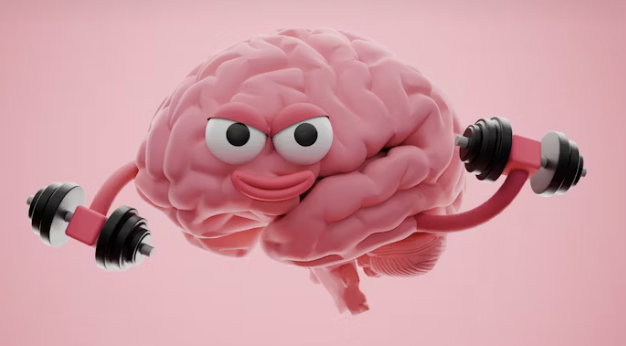
This one is personal. The past few weeks have been tough, and I have felt burnout building again. Managing it reminded me of something important that I want to share: our brain is a muscle.
Not literally, of course. But in how it serves us, it functions the same way. We have to exercise it, strengthen it, and practice with intention to build a healthy mindset and healthy habits. And just like a real muscle, there is no finish line. If we stop training it, everything starts to atrophy.
This is essentially what happened to me
I started to take things for granted. My mindset and habits were strong, and I felt great. Over time, though, I let things drift. I stopped actively caring for my mind. Slowly, without noticing, the foundation weakened.
Eventually, I did notice. It surfaced as frustration with small things, less joy at work, and viewing each day as a series of tasks to get through. Not healthy at all.
The issue was not that burnout showed up again. That is inevitable in medicine. The real problem was that my burnout management skills had gotten rusty. I ignored the signals even as they grew louder, and then I was unprepared to address them once they became impossible to overlook.
What am I doing about it
My first step was to bring everything out into the open. I talked to my wife, family, and a few close friends and colleagues. In hindsight, ignoring the problem was my biggest mistake. Like many physicians, I assumed it would eventually resolve if I simply pushed forward. I should know better from previous experience, but burnout is powerful.
From there, I went back to the tools that helped me build a healthy mindset in the first place. It was time to exercise my mental muscle again.
Mindfulness and a constant return to the present moment are important for me. I am naturally task oriented, which works until it does not. Racing from one task to the next only to realize the day is gone is not a way to live. Mindfulness slows that down.
I also built in regular rest. When things are going well, it is easy to forget how essential rest is. I still fall into the trap of equating productivity with fulfillment, even though I know that link is false. So I scheduled time for family, for friends, for days without extra work, and for quiet thinking without devices.
These strategies are not meant to be an exhaustive list. They are simply what works for me.
A key note about visualizing your brain as a muscle
If you were starting a weightlifting program, you would not walk into the gym and attempt a 500 pound bench press on day one. Working out your brain like a muscle is no different.
Whether you are building healthy habits for the first time or returning after a setback, you cannot go from zero to one hundred in a day. You cannot sit for an hour, think intensely, and expect everything to resolve. Progress requires small steps and repetition.
Some days will feel like a slog. You will feel like you are constantly pulling yourself back into the right mindset. But this does get easier and eventually becomes automatic. It takes time to build new habits, so give yourself grace.
Congratulations, you are part of the solution
One of the most dangerous aspects of burnout in medicine is that many physicians never engage with it. Burnout becomes accepted as the way things are, or unhealthy coping mechanisms, like buffering with alcohol, drugs, devices, or work among others, take root and quietly erode well-being.
If you are reading this, you are not one of those physicians. Wherever you are in your journey, I hope you continue to exercise your mental muscle and build habits that support a healthier mindset. And if you see another physician struggling, help them out. We are better when we lift each other up. And the more doctors who do this, the better all of medicine will be.
What do you think? Have you experienced burnout? How do you build and maintain a healthy mindset? Let me know in the comments below!