For most physicians, the early stages of building wealth are relatively straightforward. Pay off high-interest debt. Build an emergency fund. Protect your income with disability insurance. Max out retirement accounts. Invest consistently in a diversified portfolio.
Those basics matter. But eventually, some physicians reach a point where simply saving more is no longer the main challenge. The bigger questions become more complicated. How do I reduce the tax drag on my portfolio? Is my practice retirement plan actually designed efficiently? Should I continue buying individual rental properties, or would a more passive approach fit my life better? Does the way I own an investment matter just as much as the investment itself?
This is where advanced wealth planning begins.
I want to be clear that “advanced” does not automatically mean “better.” Complexity should never be added just for the sake of feeling sophisticated. However, once income and net worth grow, strategies that were irrelevant earlier may become worth understanding. The goal is not to collect complicated financial products. It is to make sure your financial structure still supports your taxes, lifestyle, practice, and the freedom you are trying to build.
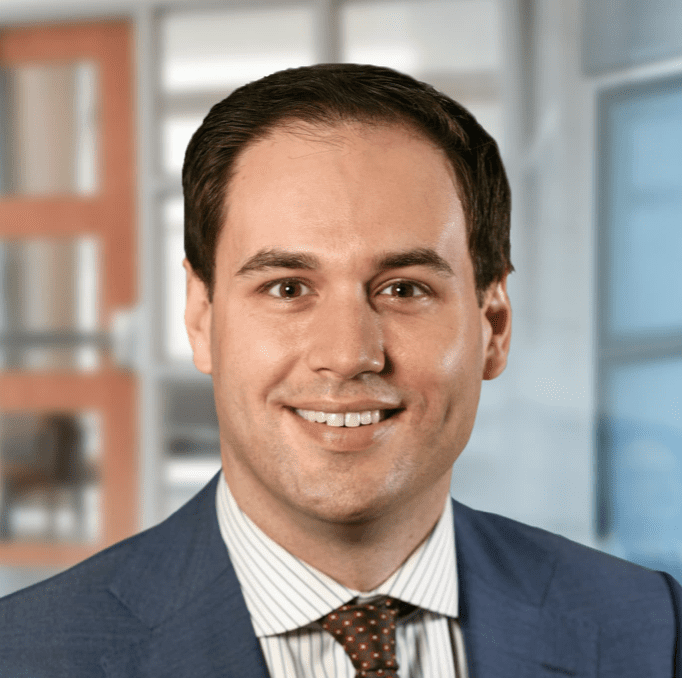
Micheal George and Virajith Wijeweera from FPL Capital Management helped put together this breakdown!

• 25+ years of experience and $1.1 billion in assets under management.
• Flat-fee, fee-only advice with no commissions or product sales.
• Comprehensive planning across investments, taxes, retirement, and estate strategy.
• A dedicated Emerging Physician Program built for early-career financial decisions.
Strategic Roth Conversions Beyond the Backdoor Roth
The Backdoor Roth IRA gets a tremendous amount of attention among high-income physicians, and for good reason. It is a relatively simple way to move money into a Roth account when income exceeds the normal contribution limits.
But the amount that can be contributed each year is still small compared to the size of many physician retirement portfolios.
That is why strategic Roth conversions deserve more attention. A Roth conversion means moving money from a pre-tax retirement account into a Roth account and paying the income tax today. In exchange, that money can continue growing in an account that may later be withdrawn tax-free if the rules are followed.
The best opportunities often appear during years when taxable income is temporarily lower. This may happen after retirement but before Social Security and required minimum distributions begin. It can also happen during a sabbatical, a career transition, a year with unusually large charitable deductions, or a market downturn when the value of the assets being converted has fallen.
Roth conversion planning is not necessarily an all-or-nothing decision. You may convert only enough each year to fill a targeted tax bracket.
That requires looking several years ahead. Paying more tax voluntarily today can feel uncomfortable. But sometimes the better question is not, “How do I pay the least tax this year?” It is, “How do I pay the least tax over my lifetime?”
Your Practice Retirement Plan May Be Leaving Money on the Table
Physicians who own a practice spend enormous amounts of time thinking about billing, staffing, overhead, and growth. Yet many give surprisingly little attention to the design of their own company retirement plan.
A retirement plan is not just an employee benefit. It is also a tax planning tool, a recruiting tool, and potentially one of the largest wealth-building vehicles available to the owner.
The problem is that many plans are built from a standard template and then left alone for years. The owner may be unable to make the desired contribution. The investment menu may be expensive or limited. The plan may lack Roth 401(k) contributions, in-plan Roth conversion options, or a self-directed brokerage window. It may also fail to evolve as the practice grows.
This does not mean every practice needs an elaborate plan. It means the plan should be reviewed intentionally.
For a physician owner, the questions are practical. How much can the owner contribute? How much does the plan reduce current taxes? Are the investment options diversified and reasonably priced? Are employees benefiting? Will the plan still work if the practice doubles in size?
A well-designed plan should serve both the owner and the employees. If it only works for one side, it is probably not designed very well.
• 25+ years of experience and $1.1 billion in assets under management.
• Flat-fee, fee-only advice with no commissions or product sales.
• Comprehensive planning across investments, taxes, retirement, and estate strategy.
• A dedicated Emerging Physician Program built for early-career financial decisions.
Direct Real Estate or a Private Real Estate Fund?
I have written extensively about direct real estate investing because it has played a major role in our own financial journey. Direct ownership can provide cash flow, appreciation, depreciation, and the opportunity to improve a property through active management.
It can also become a second job.
That does not make direct ownership bad. It means physicians should be honest about what they want. Do you want exposure to real estate, or do you want to operate a real estate business?
Owning a rental property directly provides more control. You choose the market, property, financing, renovations, and property manager. That control can create opportunities for higher returns, but it also creates more concentration and responsibility.
A private real estate fund offers a different tradeoff. It may provide diversification across multiple properties, markets, and property types. It may also provide access to larger assets and professional management. The cost is less control, less liquidity, manager risk, and often a more complicated fee structure.
Neither approach is automatically superior.
The right choice depends on how much time you want to spend, how concentrated your portfolio is, how much control matters, and what role real estate is supposed to play in your life. Early in my investing journey, I was willing to exchange more time and effort for control and learning. That calculation can change as a career, practice, and family become more demanding.
Why Ownership Structure Matters
As wealth grows, investment selection is only one part of the equation. The account, entity, or structure that owns the investment can also affect taxes, asset protection, estate planning, and long-term compounding.
One advanced example is private placement life insurance, commonly called PPLI.
PPLI is not the same thing as the retail variable universal life policies many physicians are pitched early in their careers. It is generally designed for high-net-worth investors, often uses institutional investment options, and may have lower commissions and more customization. When designed and maintained properly, assets inside the policy can grow tax-deferred, may be accessed through policy loans, and can ultimately pass through an income tax-free death benefit.
That sounds attractive, but this is exactly the type of strategy where the details matter more than the headline.
PPLI usually requires substantial assets, a long time horizon, careful legal and tax structuring, and a willingness to accept complexity and limited liquidity. This is not a strategy that should be purchased after hearing a clever sales presentation.
For the right family, it may solve a real tax and estate planning problem. For many physicians, it will be unnecessary.
Advanced planning should begin with a problem, not with a product.
• 25+ years of experience and $1.1 billion in assets under management.
• Flat-fee, fee-only advice with no commissions or product sales.
• Comprehensive planning across investments, taxes, retirement, and estate strategy.
• A dedicated Emerging Physician Program built for early-career financial decisions.
The Bigger Lesson
The basics of physician finance do not stop working when you become wealthier. You still need to save, invest, control spending, protect your income, and avoid unnecessary mistakes.
What changes is the margin for improvement.
At higher income and net worth levels, taxes, account design, investment structure, and estate planning can have a much larger effect on how much wealth you ultimately keep. Small inefficiencies repeated over decades can become expensive. At the same time, unnecessary complexity creates its own costs and risks.
The answer is not to chase every advanced strategy. It is to periodically ask whether your financial plan has grown along with your financial life.
Are you still using a plan designed for the physician you were five or ten years ago? Or does it reflect the physician, business owner, investor, and family member you are today?
That is the real purpose of advanced wealth planning. Not sophistication for its own sake, but better alignment between your money and the life you are trying to build.
What do you think? Have you started exploring any of these strategies, or are you still focused on mastering the basics? Let me know in the comments below!