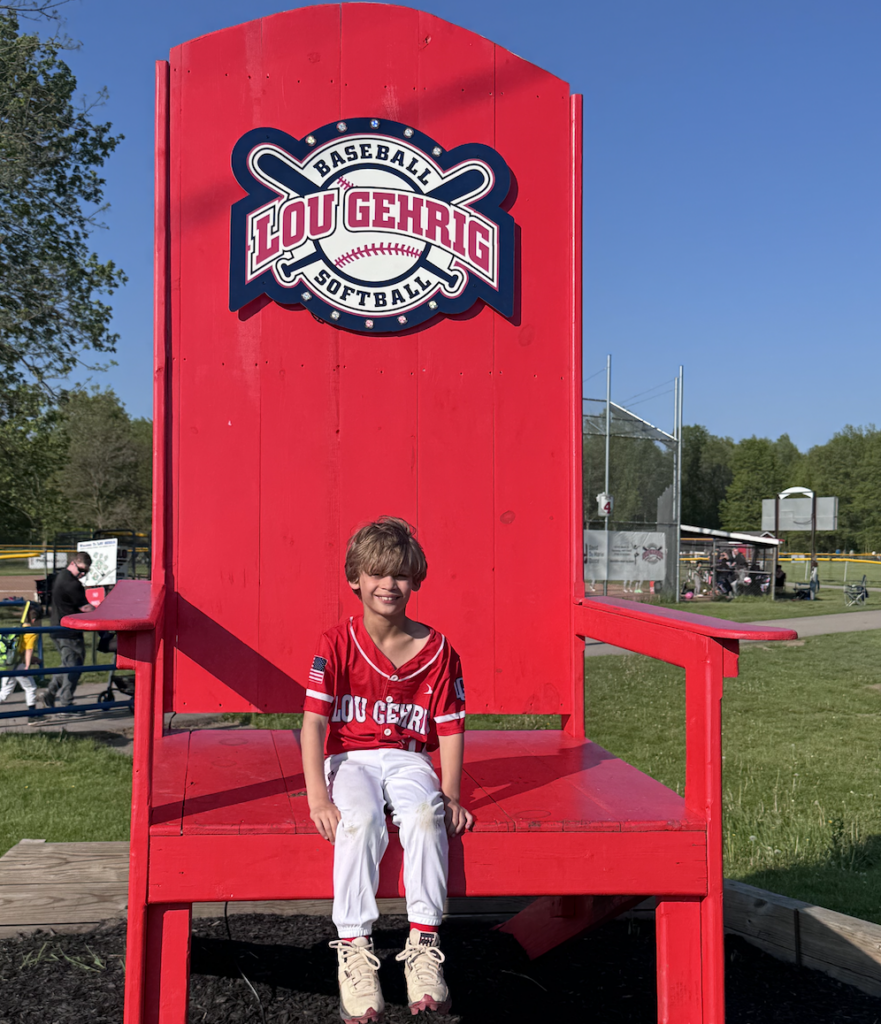
Earlier this year I joined the board of my son’s youth baseball league. It’s the same organization where I played throughout my childhood and now where two of my three boys play. I’ve coached there for years, including my older son’s travel team. I’m deeply invested in this organization and genuinely believe they do a fantastic job. Honestly, it’s probably one of the best youth baseball organizations in Western New York. But that doesn't mean there is no conflict.
What makes it even more impressive is that everybody involved is a volunteer.
Every coach. Every board member. Each parent helping drag the field, organize schedules, run concessions, or deal with inevitable rainouts. Nobody is doing this for money. They’re doing it because they care.
A couple weeks ago I attended my first official board meeting, and it was interesting getting a peek behind the curtain. Anytime you see the inner workings of an organization, you realize pretty quickly that things are rarely as smooth as they appear from the outside. And that there is conflict.
What surprised me most was the amount of emotional discussion
Not bad discussion. Not toxic discussion. Just passionate discussion. Big opinions. Disagreements. Debates over what direction to take or what decision was best.
At first, I found myself a little discouraged by it.
You almost want to believe that when good people gather for a good cause, everything should run harmoniously. But the reality is that anytime you put passionate people together, conflict is inevitable. It doesn’t matter whether the stakes are massive, like government or healthcare systems, or relatively small, like a local youth baseball organization.
People care deeply about things that matter to them
And honestly, medicine is no different.
Anyone who has gone through residency, worked in academics, or practiced in a large healthcare system has seen politics creep into places where you’d think the focus would only be patient care. At times it can feel exhausting. Like every collaborative group is destined to bicker endlessly.
But sitting in that meeting forced me to reframe things a bit.
Nobody in that room was arguing because they didn’t care. There wasn't conflict for the sake of conflict.
Actually, the opposite was true.
The reason there was debate was because everybody wanted what they believed was best for the kids. Nobody was taking the easy route. Nobody was just shrugging their shoulders and saying, “Whatever.” The discussion existed because people were invested.
And maybe that’s exactly what makes organizations good.
If nobody cares, the path of least resistance always wins. Decisions become automatic. Standards slowly erode. Things get easier, but rarely better.
Healthy conflict is uncomfortable, but it’s often evidence that people are still trying
The key, I think, is learning how to have conflict without making it personal. That’s the hard part. Especially now, when disagreement so quickly becomes identity. But disagreement itself is not the enemy. In many cases, it’s necessary.
So maybe the goal isn’t avoiding conflict altogether.
Maybe the goal is building healthy relationships with it.
What do you think? Can conflict be healthy? Will it always exists no matter the group size or stakes involved? Does it discourage or encourage you? Let me know in the comments below!